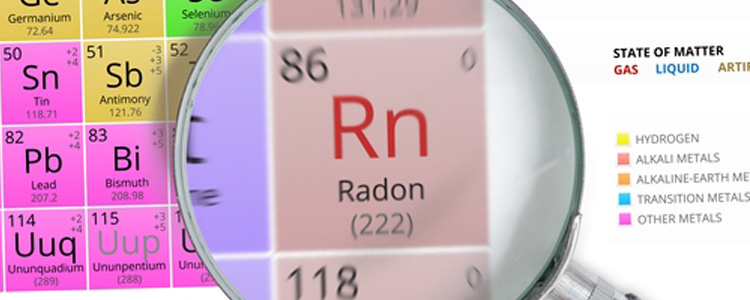
Radon is a dangerous gas that is found all over the United States. Because it is colorless and odorless, homeowners have no idea their radon levels may be high. There are tests available for in-home use that detect radon levels. If radon levels are high, it is important to take action to avoid serious consequences. Serious health related issues occur when people are exposed to dangerously high levels over many years.
What Is Radon?
Radon is a gas that occurs when uranium breaks down. This gas is emitted through water, soil and rock. It can seep into homes, schools and office, and cause serious adverse health effects over time. Radon is not detectable in any way but through testing.
What Are The Risks?
When radon levels are high, it can cause a variety of health related problems. These risks are increased when people are exposed to high levels of radon over long periods of time. Radon exposure is the most common cause of lung cancer among people who smoke. According to the United States Environmental Protection Agency or EPA, 21,000 people die each year from radon exposure. Of those people, only 2,900 were non-smokers.
How Does It Get In?
Radon occurs underneath the ground. When uranium decays in the soil, it creates gas that moves upward. It can seep into homes through cracks or gaps in the foundation. As it does, it can become trapped inside your home and build to dangerous levels as time goes by. It does not matter how old or new the home is, any home can have a problem with high radon levels. Radon can also enter well water and come into homes through faucets and building materials.
How Do I Test For Radon?
There are two ways to test for radon. Homeowners can hire a radon tester to come in and evaluate the levels inside the home. There are a variety of licensed professionals available all over the United States. Home tests are also available for radon testing. These kits can be obtained through the American Lung Association or National Radon Program Services. Testing is easy, just open the test and place it on the lowest floor of the home or basement. Leave it for 2 to 7 days, then send it in for a radon level reading. Results are available within a few weeks.
What If My Radon Levels Are High?
If radon levels are high inside the home, there are ways to reduce it. The best way is to hire a radon mitigation specialist who can recommend a plan. Some ways to reduce radon is to seal cracks in foundations to cut off gas entry. Placing a soil reduction system underneath the home is the best way to reduce radon. This works best after all cracks, gaps, and holes are sealed. This system works by pulling radon out of the soil and venting it to the outside. When used correctly, radon gases do not enter the home where they can build up.There are also radon resistant materials that can be placed in new homes to reduce radon exposure.
Radon testing is essential for homeowners. Since it has been found in every state, it cannot be determined who may have the highest levels. Since long-term exposure greatly increases health risks, it is important to test as soon as possible. The good news is radon levels can be reduced and managed in most cases. Homeowners who find themselves dealing with high radon levels should consult a mitigation specialist for guidance. It is the best way to ensure the home becomes safe to live in.